
Investing used to be something only financial experts or wealthy people did. Today, thanks to mobile technology, anyone with a smartphone can start investing in just a few minutes. Many apps now allow beginners to invest with small amounts of money while providing helpful tools and guidance.
If you’re new to investing, choosing the right app can make the journey much easier. The Best Investment Apps for Beginners offer simple interfaces, educational tools, and low fees that help you grow your money with confidence.
In this guide, we’ll explore the best investment apps for beginners, their features, benefits, and tips to help you start investing safely.
Why Beginners Should Use Investment Apps
Investment apps have made financial markets accessible to everyone. Instead of complicated brokerage systems, these apps simplify investing so beginners can easily understand and manage their portfolios.
Here are some key advantages:
1. Easy to Use
Most investment apps are designed with beginners in mind. They provide simple dashboards and step-by-step instructions.
2. Low Minimum Investment
Many apps allow users to start investing with as little as $1 or $10.
3. Educational Resources
The best investment apps for beginners include tutorials, guides, and market insights that help users learn while investing.
4. Automatic Investing
Some apps offer automated portfolios that manage your investments based on your risk tolerance.
5. Mobile Convenience
You can track your investments, buy stocks, or sell assets anytime from your smartphone.
Best Investment Apps for Beginners in 2026
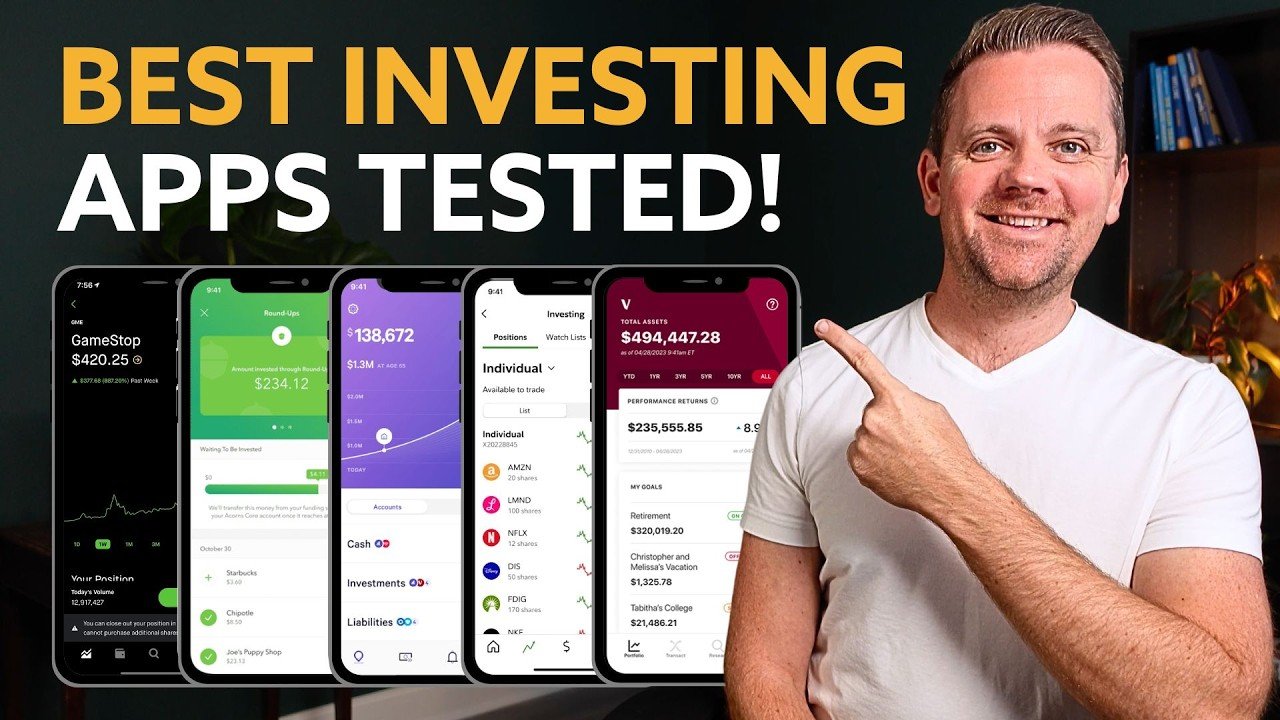
Below are some of the best investment apps for beginners that provide simple tools and reliable features.
1. Robinhood
Robinhood is one of the most popular investment apps for beginners. It gained massive popularity because it offers commission-free trading.
Key Features
- Commission-free stock trading
- User-friendly interface
- Cryptocurrency investing
- Real-time market data
- Fractional shares
Why It’s Good for Beginners
Robinhood’s simple interface makes it easy for new investors to buy and sell stocks without complicated tools.
2. Acorns
Acorns is perfect for beginners who want to invest automatically without actively managing their portfolio.
Key Features
- Round-up investing (invest spare change)
- Automated portfolio management
- Retirement accounts
- Educational content
Why It’s Good for Beginners
Acorns helps users invest small amounts of money automatically, making it one of the best investment apps for beginners who are just starting.
3. Stash
Stash combines investing with financial education, making it a great choice for new investors.
Key Features
- Fractional share investing
- Personalized investment guidance
- Stock-back rewards card
- Educational content
Why It’s Good for Beginners
Stash focuses heavily on teaching users how investing works while helping them build a diversified portfolio.
4. Webull
Webull is a powerful investment platform that offers advanced tools while still being beginner-friendly.
Key Features
- Commission-free trading
- Advanced charts and analytics
- Paper trading feature
- Extended trading hours
Why It’s Good for Beginners
Webull allows beginners to practice trading with virtual money before investing real funds.
5. Public
Public is a social investing platform that allows users to learn from other investors.
Key Features
- Social investment community
- Fractional shares
- Commission-free trading
- Educational insights
Why It’s Good for Beginners
Public allows beginners to follow experienced investors and learn from their strategies.
Features to Look for in the Best Investment Apps for Beginners
Not all investing apps are suitable for beginners. When choosing the best investment apps for beginners, consider the following features:
1. Simple User Interface
A clean and simple interface helps beginners understand how investing works without confusion.
2. Low Fees
High trading fees can reduce profits. Many beginner apps now offer commission-free trading.
3. Educational Tools
Learning resources such as tutorials, articles, and videos can help beginners build investment knowledge.
4. Fractional Shares
Fractional investing allows beginners to buy small portions of expensive stocks like Apple or Amazon.
5. Portfolio Automation
Automated investing features help beginners invest without constantly monitoring the market.
How to Start Investing Using Investment Apps
Starting your investment journey is easier than ever. Follow these steps to begin.
Step 1: Choose the Right App
Research and select one of the best investment apps for beginners that fits your goals.
Step 2: Create an Account
Sign up and complete identity verification. Most apps require basic personal information.
Step 3: Add Funds
Connect your bank account and deposit money into your investment account.
Step 4: Choose Your Investments
Beginners can start with:
- Index funds
- ETFs
- Blue-chip stocks
These options are generally considered safer for new investors.
Step 5: Monitor Your Portfolio
Check your investment performance regularly and adjust your strategy if needed.
Investment Tips for Beginners
Even with the best investment apps for beginners, it’s important to follow smart investment practices.
1. Start Small
You don’t need thousands of dollars to start investing. Begin with small amounts and increase gradually.
2. Diversify Your Portfolio
Avoid putting all your money into one stock or asset. Diversification reduces risk.
3. Think Long Term
Successful investors focus on long-term growth rather than short-term gains.
4. Avoid Emotional Decisions
Market fluctuations are normal. Avoid panic selling during downturns.
5. Keep Learning
Investment knowledge grows over time. Use educational tools within apps to improve your strategy.
Common Mistakes Beginner Investors Should Avoid
New investors often make mistakes that could be easily avoided.
1. Investing Without Research
Always research stocks, funds, or assets before investing.
2. Following Market Hype
Avoid investing in trending stocks without understanding their fundamentals.
3. Ignoring Fees
Hidden fees can reduce investment profits over time.
4. Trying to Time the Market
Predicting market movements is extremely difficult. Consistent investing is usually better.
Benefits of Using the Best Investment Apps for Beginners
Using beginner-friendly investment apps offers several advantages.
Financial Independence
Investing helps grow wealth and achieve financial goals.
Easy Portfolio Management
Apps allow users to manage investments anytime from their smartphone.
Learning Opportunity
Many apps offer built-in courses and tutorials to help beginners understand financial markets.
Automation
Automated investing makes it easy for beginners to build portfolios without complex strategies.
Future of Investment Apps
The future of investing apps is becoming even more advanced. In 2026 and beyond, we can expect:
- AI-powered investment recommendations
- Improved financial education tools
- Enhanced security features
- Personalized portfolio management
These innovations will make investing even easier for beginners.
Final Thoughts
Investing no longer requires expert knowledge or large amounts of money. Thanks to modern technology, anyone can begin their financial journey with just a smartphone.
The best investment apps for beginners simplify investing by offering easy-to-use interfaces, educational tools, and automated portfolios. Apps like Robinhood, Acorns, Stash, Webull, and Public provide excellent platforms for new investors.
If you’re just starting out, focus on learning, investing small amounts, and building a diversified portfolio over time. With patience and consistency, investing can help you achieve long-term financial growth.