
In a world driven by digital convenience, managing money has never been easier. Gone are the days of keeping paper receipts, manually tracking expenses in notebooks, or guessing where your salary disappeared every month. Today, there are powerful free finance apps to track expenses that help you organize your budget, monitor spending, and make smarter financial decisions—all from your phone.
Whether you’re a student trying to save, a professional planning for future goals, or someone who simply wants better financial control, the right app can make all the difference. In this guide, we’ll explore the best free finance apps to track expenses, how they work, and how you can choose the right one for your lifestyle.
Why You Need a Finance App to Track Your Expenses
Before diving into the best apps, let’s understand why using free finance apps to track expenses is so important:
1. Gain Control Over Your Money
Tracking expenses manually is time‑consuming and error‑prone. Free finance apps automatically categorize your spending and provide insights into where your money goes.
2. Build Better Financial Habits
With visual reports, spending alerts, and budgeting tools, these apps help you stay disciplined and avoid unnecessary expenses.
3. Save Money for Goals
Planning for big goals—like buying a home, traveling, or emergency savings—becomes easier when you can clearly view your cash flow.
4. Stay Organized in One Place
Your income, bills, loans, and budgeting tools can be managed—and viewed—on one dashboard.
These benefits help explain why millions of users trust free finance apps to track expenses as essential tools for managing personal finance.
How Free Finance Apps Work
Most free finance apps to track expenses operate on similar principles:
- Account syncing: Connect your bank accounts, credit cards, and digital wallets securely.
- Automatic transaction categorization: Spendings are tagged into categories like food, entertainment, bills, travel, etc.—no manual data entry required.
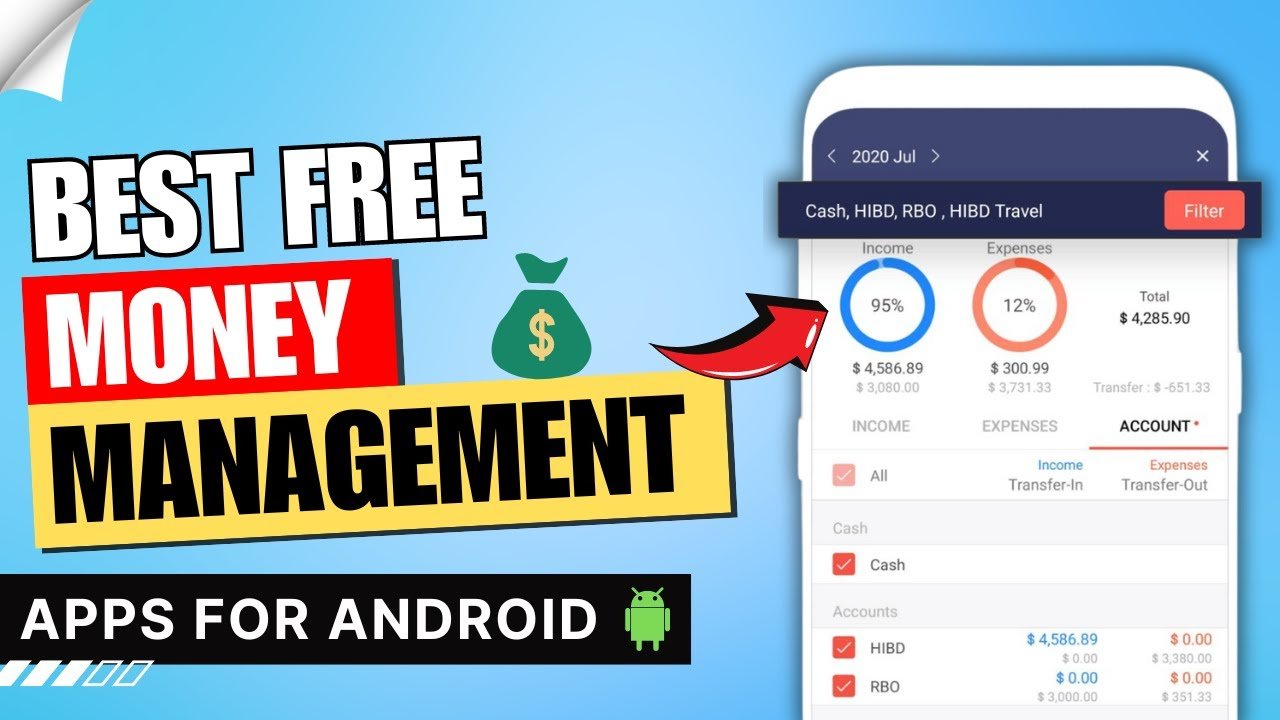
- Spending insights: Get charts, graphs, and summaries to visualize trends.
- Budget tools: Set monthly limits on categories and get notified when you overspend.
- Goal tracking: Save for specific goals like vacations, emergency funds, or debt repayment.
All of these features help make financial management seamless and intuitive.
Top Free Finance Apps to Track Expenses in 2026
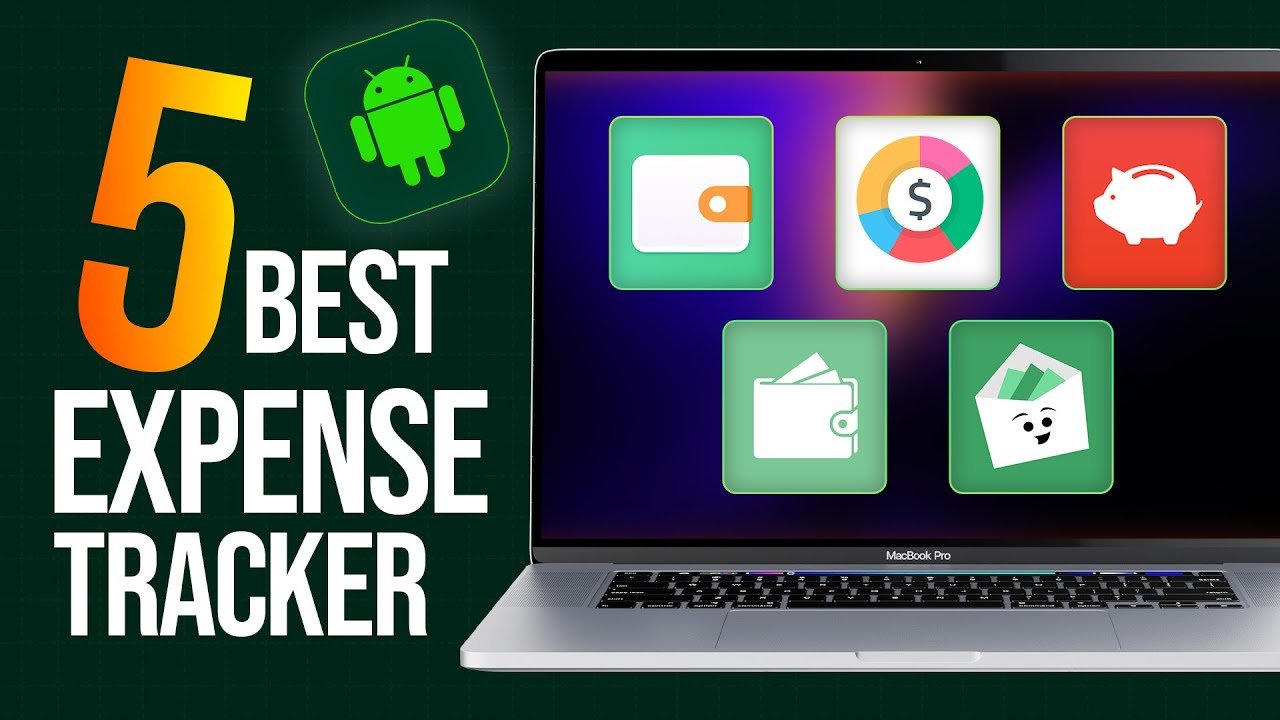
Here’s a breakdown of the strongest performers in the world of free finance apps to track expenses. These options vary from beginner‑friendly to feature‑rich tools for power users.
🌟 1. Mint – Best All‑Around Expense Tracker
Mint is one of the most beloved free apps for managing personal finance. It’s famous for its simplicity, intuitive interface, and powerful features—all without charge.
Key Features:
- Automatic expense tracking
- Custom budget creation
- Bill reminders and alerts
- Free credit score monitoring
- Visual spending dashboards
Why It’s Great:
Mint makes it easy for beginners to start tracking money instantly. It’s also super helpful for users who want a complete financial overview. As a leading choice among free finance apps to track expenses, Mint covers income, bills, budgets, and financial goals all in one place.
📊 2. Personal Capital – Best for Investments + Expense Tracking
If you’re serious about budgeting and investing, Personal Capital is worth a look.
Highlights:
- Track expenses and investments
- Net worth calculator
- Retirement planning tools
- Alerts for fees and unusual spending
- Free financial planning dashboard
Why Use It:
Unlike many apps only focused on expenses, this one gives detailed investing insight. If tracking spending and managing investment portfolios feels overwhelming, this app simplifies both.
While budget tools are more advanced than Mint’s, many people still consider Personal Capital one of the best free finance apps to track expenses and grow wealth.
📉 3. Wally – Best for Manual Tracking with Smart Insights
Wally stands out among free finance apps to track expenses because it allows flexible manual entry and intelligent automation.
Features:
- Manual entry and receipt scanning
- Smart categorizations
- Budgeting and note tagging
- Multi‑currency support
- Savings targets
Why It’s Special:
Not everyone wants automatic bank syncing. Wally gives you full control with manual input while still helping generate helpful spending insights. For users who prefer hands‑on tracking, Wally is an excellent free finance app to track expenses.
📱 4. Goodbudget – Best Envelope‑Budgeting System
Goodbudget uses the classic “envelope method” (virtual envelopes for spending categories) to help you stay within limits.
What It Offers:
- Budget envelopes
- Sync across multiple devices
- Expense and income tracking
- Planning for future months
Best For:
People who want a structured budget system that mimics cash‑envelope budgeting without carrying physical cash.
Goodbudget shines as a free finance app to track expenses for budgeting planners and users who enjoy envelope‑style systems.
🧾 5. Spendless – Simple, Clean Expense Tracking
Spendless keeps things easy and lightweight—it’s perfect for users who want a no‑frills tracker.
Top Features:
- Quick expense input
- Clean dashboard
- Category budgets
- Export reports
Why People Like It:
If your focus is purely expense tracking without investment tools, Spendless is a solid choice. It’s one of the simplest free finance apps to track expenses with a minimal learning curve.
💵 6. PocketGuard – Best for Spending Alerts
PocketGuard shines by helping you understand what you can spend after bills and savings.
Key Perks:
- “In My Pocket” calculation
- Bill tracking and reminders
- Easy goal setting
- Overspending alerts
Top Use Case:
If you get nervous about overspending, PocketGuard’s “free cash” feature tells you exactly what you can safely spend. This app earns its place among the most helpful free finance apps to track expenses with added safety alerts.
Features to Look for in Free Finance Apps to Track Expenses
Choosing the right app isn’t just about popularity—it’s about what fits your money style.
Here’s a checklist when exploring free finance apps to track expenses:
🔒 Security and Privacy
Always choose apps with strong encryption, two‑factor authentication, and strict privacy rules.
📊 Automatic Categorization
Manually entering every item can be exhausting. Automatic tagging makes tracking effortless.
📅 Budgeting Tools
The best apps let you set budgets and track progress visually.
📈 Clear Visual Reports
Pie charts, bar graphs, and trend lines help you understand spending at a glance.
📲 Sync Across Devices
If you use multiple devices, syncing ensures your financial picture stays updated everywhere.
🏦 Account Integration
Linking bank accounts, credit cards, and digital wallets makes automatic tracking possible.
Beginner Tips for Using Free Finance Apps to Track Expenses
Getting started is easy—but consistent use is where the real benefits come.
1. Sync All Your Accounts
After installing, connect all major accounts so the app captures real spending.
2. Review Spending Weekly
Checking weekly keeps you aware of spending leaks early.
3. Set Realistic Budgets
Don’t set overly tight budgets—you’re more likely to give up. Start small.
4. Categorize Transactions
Correct categories help the app give you accurate insights later.
5. Update Manually When Needed
Sometimes, automatic tags are wrong. Editing them helps the system learn.
Common FAQs About Free Finance Apps to Track Expenses
Below are answers to common questions users often ask:
Are Expense Tracking Apps Really Free?
Yes—many people use free finance apps to track expenses with no subscription required. Some offer premium features, but the core tracking features are free.
Is It Safe to Link My Bank Account?
Most top apps use encryption and strict security standards. Always check reviews and privacy policies. For extra safety, choose apps with multi‑factor authentication.
📊 Can These Apps Help Me Save Money?
Absolutely! Even just seeing where your money goes increases awareness and helps reduce wasteful spending.
📱 Which App Is Best for Beginners?
Apps like Mint or Wally are great for beginners because they’re easy to set up and intuitive to use.
How Tracking Expenses Improves Financial Health
You might wonder: Does expense tracking actually make a difference? The answer is a resounding yes.
Here’s how tracking changes your financial life:
✔ You Stop Guessing What You Spend
With a record of every expense, you’ll finally understand your true spending habits.
✔ Helps Cut Unnecessary Costs
You’ll notice subscriptions or recurring charges you forgot about.
✔ Builds Long‑Term Saving Habits
When you can see patterns, prioritizing goals becomes easier.
✔ Reduces Money Stress
Uncertainty creates anxiety. Knowing your financial status gives confidence.
Success Stories: Real People, Real Results
Here are short stories of how free finance apps to track expenses transformed real users’ money lives:
Sarah Saved ₨50,000 in 3 Months
Sarah began recording every coffee, lunch, and transport cost. By identifying recurring overspending on eating out, she cut her food budget by 30%.
Ali Paid Off Debt 20% Faster
By setting spending limits and tracking progress, Ali redirected extra funds toward his loan payments and became debt‑free months ahead of schedule.
Final Thoughts: Choose the Right App for You
There’s no one‑size‑fits‑all answer when it comes to the best free finance apps to track expenses. The ideal app depends on your financial goals, comfort level, and what features matter most. What’s most important is not which app you choose—but that you actually start tracking your expenses.
With the apps above, managing and improving your financial future is easier than ever. Start today, and watch your money become more organized, intentional, and aligned with your goals.