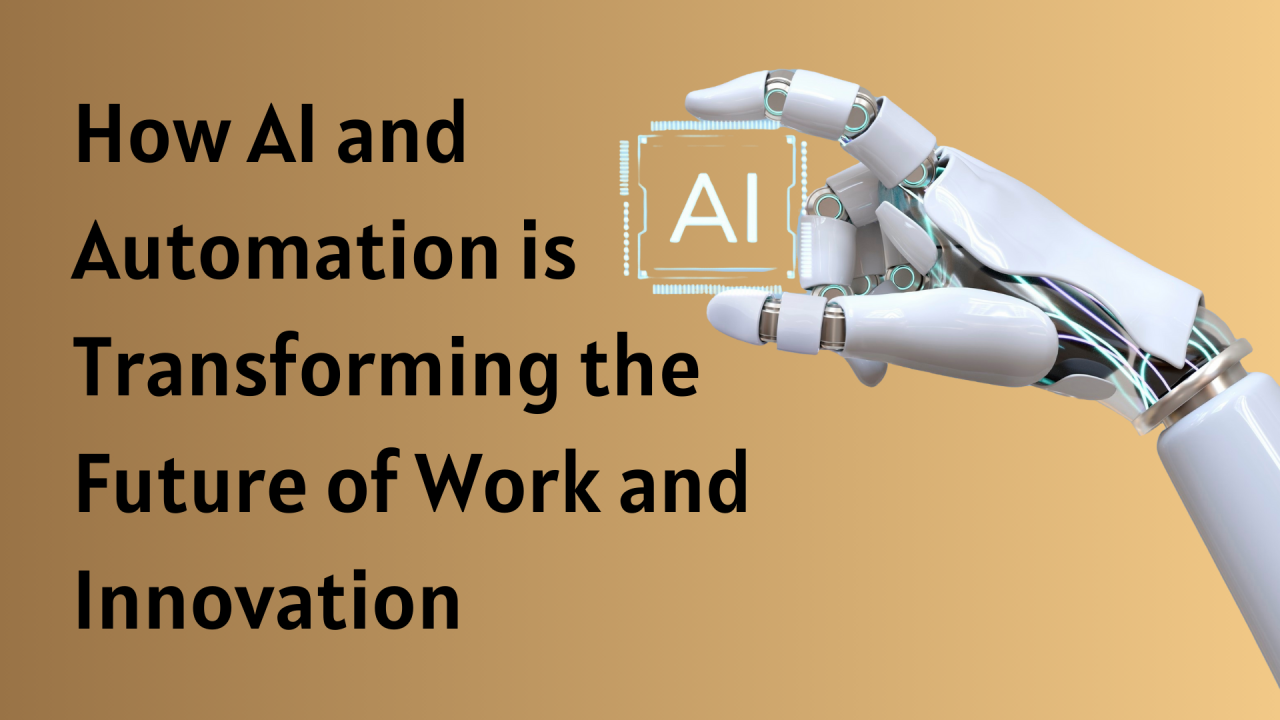

Artificial Intelligence (AI) and Machine Learning (ML) are no longer just buzzwords—they are revolutionizing the way we live, work, and interact with technology. If you are new to this exciting field, understanding the basics can be overwhelming. That’s why we’ve created this Beginner Guide to AI and Machine Learning, designed to help newcomers grasp the concepts, applications, and future potential of these technologies in 2026.
What is Artificial Intelligence (AI)?
Artificial Intelligence, or AI, refers to the simulation of human intelligence in machines. These machines are programmed to think, learn, and make decisions like humans. From voice assistants like Siri and Alexa to recommendation systems on Netflix and YouTube, AI is all around us.
Key characteristics of AI include:
- Problem-solving: AI can analyze problems and provide solutions faster than humans.
- Learning capabilities: AI systems can improve their performance over time using data.
- Adaptability: AI can adapt to new information, making it dynamic and flexible.
AI can be broadly categorized into:
- Narrow AI: Focused on a specific task, such as language translation or facial recognition.
- General AI: A more advanced form, capable of performing any intellectual task that a human can do.
- Superintelligent AI: Theoretical future AI that surpasses human intelligence.
What is Machine Learning (ML)?
Machine Learning is a subset of AI that allows machines to learn from data without being explicitly programmed. Think of it as teaching a computer to recognize patterns and make predictions. ML powers a variety of technologies, including:
- Spam filters in your email
- Recommendation engines on e-commerce websites
- Self-driving car navigation systems
In the context of this Beginner Guide to AI and Machine Learning, it’s crucial to understand that ML is what enables AI to improve continuously by learning from data.
Types of Machine Learning
Machine Learning can be divided into three main types:
- Supervised Learning
In supervised learning, the machine is trained on a labeled dataset, meaning the data comes with correct answers. For example, a supervised ML model can be trained to identify cats and dogs in images. - Unsupervised Learning
Here, the machine analyzes unlabeled data and identifies patterns on its own. A common use case is customer segmentation in marketing, where AI identifies groups of similar customers. - Reinforcement Learning
Reinforcement learning involves training a system through trial and error. For instance, AI models for games or robotics learn optimal strategies by receiving rewards or penalties for their actions.
How AI and Machine Learning Work Together
While AI is the broader concept of machines mimicking human intelligence, Machine Learning is the engine that drives it. ML allows AI systems to:
- Process data efficiently
- Predict outcomes accurately
- Adapt to changing environments
For example, a virtual assistant uses AI to understand your commands and ML to improve its responses over time based on your interactions.
Real-Life Applications of AI and Machine Learning
Understanding real-life applications helps beginners see the practical benefits of AI and ML. Here are some examples:
- Healthcare
AI assists doctors in diagnosing diseases, analyzing medical images, and even predicting patient outcomes. - Finance
Machine Learning algorithms detect fraud, predict stock trends, and provide personalized financial advice. - Retail
AI analyzes shopping patterns to recommend products, manage inventory, and optimize pricing strategies. - Transportation
Self-driving cars and route optimization systems rely heavily on ML algorithms to ensure safety and efficiency. - Entertainment
Streaming platforms use AI to recommend movies and songs based on your preferences, creating a personalized experience.
Tools and Platforms for Beginners
For beginners, learning AI and Machine Learning is easier thanks to numerous user-friendly platforms:
- Google Colab: A cloud-based platform for writing and executing Python code.
- TensorFlow: A popular open-source ML library for building AI models.
- Scikit-learn: Ideal for supervised and unsupervised learning tasks.
- Kaggle: Provides datasets and competitions to practice ML skills.
These tools make it easier for newcomers to experiment, learn, and build their own AI projects.
Essential Skills for AI and Machine Learning Beginners
To succeed in AI and ML, beginners should focus on the following skills:
- Programming: Python is the most popular language in AI due to its simplicity and extensive libraries.
- Mathematics: Understanding linear algebra, statistics, and probability is crucial for ML algorithms.
- Data Analysis: Ability to clean, process, and analyze data is key to building effective AI models.
- Machine Learning Concepts: Knowledge of supervised, unsupervised, and reinforcement learning.
- Problem-Solving: The ability to think critically and approach problems logically.
By developing these skills, beginners can confidently start their AI journey.
Steps to Start Learning AI and Machine Learning in 2026
This Beginner Guide to AI and Machine Learning recommends the following steps for newcomers:
- Start with the basics: Learn Python programming and understand core AI concepts.
- Explore online courses: Platforms like Coursera, Udemy, and edX offer beginner-friendly AI courses.
- Practice with datasets: Use Kaggle or open-source datasets to apply what you’ve learned.
- Build small projects: Start with chatbots, recommendation systems, or image recognition apps.
- Join communities: Engage with AI forums, social media groups, and online communities to stay updated.
Consistency and practice are essential to mastering AI and ML.
Common Misconceptions About AI and Machine Learning
As a beginner, it’s easy to get confused by myths and misconceptions. Here are some clarifications:
- AI will replace humans entirely: AI is designed to augment human capabilities, not replace them completely.
- Machine Learning doesn’t need data: ML thrives on data; without it, AI cannot learn.
- AI is always intelligent: AI performs tasks it is trained for; it doesn’t possess human-like reasoning or emotions.
Understanding the reality of AI and ML helps beginners approach learning more effectively.
Future Trends in AI and Machine Learning
AI and ML are rapidly evolving. As we move further into 2026, beginners should be aware of these trends:
- AI in Edge Computing: AI will increasingly operate on devices instead of relying solely on cloud computing.
- Explainable AI (XAI): Efforts to make AI decisions transparent will become standard practice.
- AI Ethics: Focus on responsible AI, fairness, and reducing biases in algorithms.
- AI in Healthcare: From drug discovery to personalized treatment plans, healthcare will see significant AI integration.
- AI for Automation: Smart factories, logistics, and daily workflows will become increasingly automated.
Being aware of trends will give beginners a future-ready perspective.
Conclusion
This Beginner Guide to AI and Machine Learning provides a roadmap for anyone starting their journey into this exciting field. By understanding AI concepts, learning ML techniques, and practicing with real-world projects, beginners can build a strong foundation for a successful career in AI.
Remember, AI and ML are not just for tech experts—they are tools for everyone. With curiosity, practice, and persistence, you can unlock the potential of AI and create innovative solutions that shape the future.