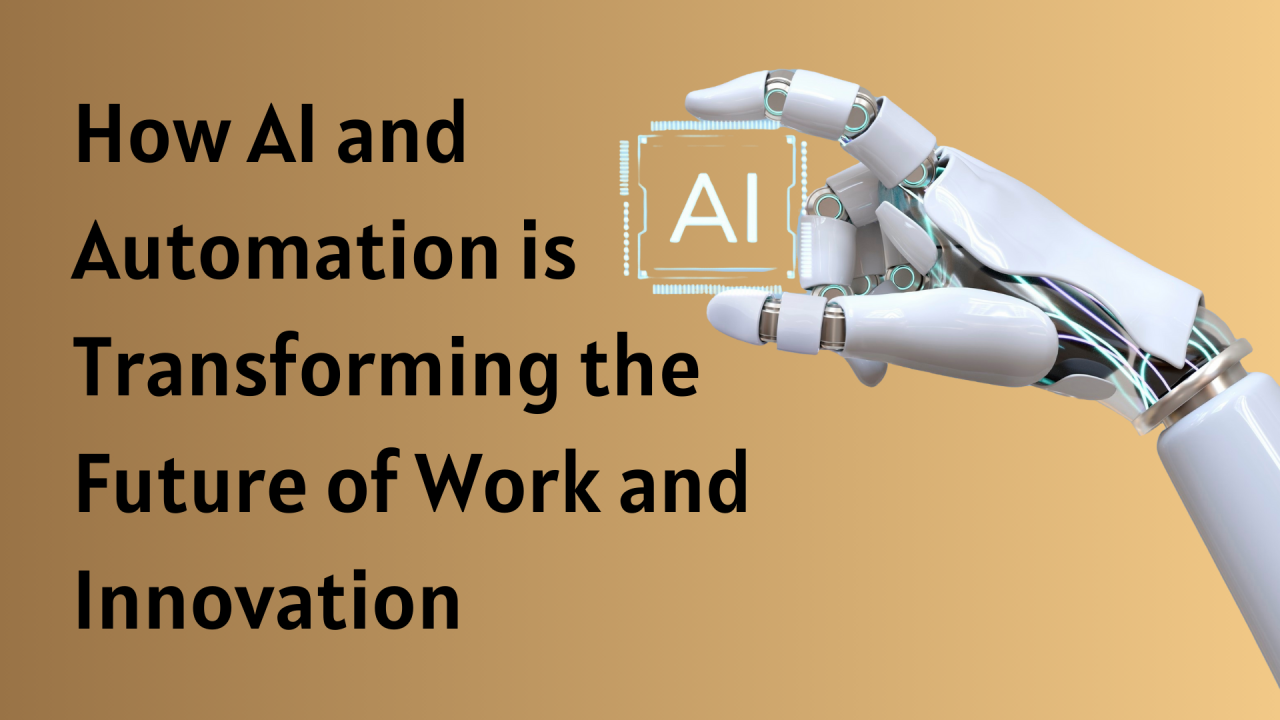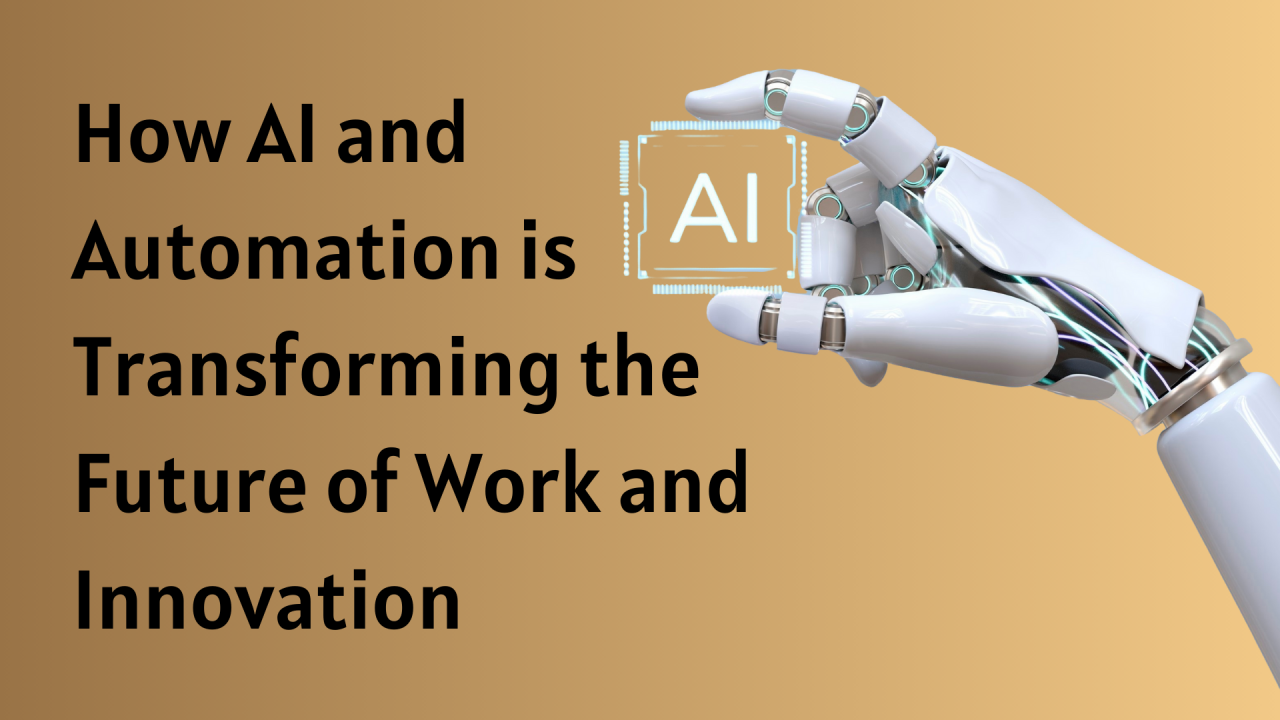

In recent years, the workplace has undergone a dramatic transformation. Technology continues to evolve at an unprecedented pace, and one of the most significant forces driving this change is automation. From manufacturing plants to offices and even creative industries, automation is reshaping how tasks are performed, how employees collaborate, and how businesses operate. In this article, we will explore how automation is transforming work, its benefits, challenges, and what it means for the future of employment.
Understanding Automation in the Workplace
Automation refers to the use of technology, software, and machinery to perform tasks that traditionally required human effort. It ranges from simple processes, such as scheduling emails or generating reports, to complex operations like self-driving vehicles or AI-driven customer support.
By integrating automation, businesses can reduce repetitive tasks, minimize errors, and increase overall efficiency. But beyond operational improvements, automation is also changing the way employees think about work, how organizations are structured, and how industries evolve.
Key Areas Where Automation Is Transforming Work
1. Manufacturing and Industrial Automation
The manufacturing sector was among the first to embrace automation. Robots and automated machinery now handle repetitive, dangerous, or precision-based tasks with speed and accuracy far beyond human capability.
For example, assembly lines in automotive and electronics industries heavily rely on robotic arms and AI-powered quality control systems. By adopting these technologies, companies can produce higher-quality products while reducing costs and workplace accidents. This is a prime example of how automation is transforming work by redefining productivity standards and safety protocols.
2. Office and Administrative Automation
In modern offices, automation has revolutionized administrative and routine tasks. Tools like robotic process automation (RPA) can manage payroll, invoicing, data entry, and even HR onboarding without constant human supervision.
This frees employees to focus on strategic and creative tasks that require problem-solving and emotional intelligence—skills that machines cannot replicate. Understanding how automation is transforming work in this context reveals the potential for more meaningful and engaging job roles, shifting human labor toward high-value activities.
3. Customer Service and AI Chatbots
AI-powered chatbots and virtual assistants are reshaping customer service. These systems can handle queries 24/7, answer frequently asked questions, and even provide personalized product recommendations.
Businesses benefit from reduced wait times, improved service quality, and lower staffing costs. Employees, on the other hand, can focus on complex issues requiring empathy and critical thinking. This is a clear illustration of how automation is transforming work by balancing efficiency with human expertise.
4. Healthcare and Automation
Healthcare is another sector experiencing profound automation-driven changes. AI algorithms can analyze medical images, predict patient risks, and streamline administrative tasks like appointment scheduling.
Automation not only improves accuracy and efficiency but also enhances patient outcomes. Medical professionals can dedicate more time to patient care rather than paperwork, demonstrating a critical aspect of how automation is transforming work in high-stakes environments.
5. Remote Work and Collaboration Tools
The rise of automation also supports remote work. Tools that automate project management, file sharing, and real-time collaboration allow teams to operate seamlessly from anywhere in the world.
Automation-driven platforms like AI scheduling assistants and workflow optimization software reduce human error and ensure deadlines are met efficiently. By streamlining communication and coordination, businesses can maintain productivity in increasingly flexible work arrangements.
Benefits of Automation in the Workplace
Understanding how automation is transforming work also requires examining its advantages:
- Increased Efficiency: Automation performs repetitive tasks faster and more accurately than humans.
- Cost Reduction: By reducing labor-intensive processes, companies can cut operational costs.
- Consistency and Quality: Machines follow precise instructions, ensuring consistent outcomes.
- Enhanced Safety: Automation can handle dangerous tasks, minimizing workplace injuries.
- Employee Satisfaction: By automating mundane tasks, employees can focus on creative and strategic responsibilities.
These benefits make automation an essential component of modern business strategy, driving innovation and growth across industries.
Challenges and Considerations
While automation offers significant benefits, it also presents challenges that organizations must address.
1. Job Displacement
One of the most discussed issues is the potential for job loss. Roles heavily reliant on repetitive tasks are most at risk. However, automation also creates new opportunities in AI development, maintenance, and oversight. Understanding how automation is transforming work requires balancing efficiency with the need for reskilling and workforce adaptation.
2. Skills Gap
The shift toward automation demands a workforce with technical and digital skills. Employees need training in areas such as data analysis, AI oversight, and software management to remain competitive. Investing in continuous education programs is crucial for organizations navigating this transformation.
3. Ethical and Privacy Concerns
AI-driven automation often involves handling sensitive data. Organizations must ensure compliance with privacy regulations and implement ethical guidelines for AI use. Transparency in decision-making processes is essential to maintain trust among employees and customers.
4. Implementation Costs
While automation can reduce long-term costs, initial setup expenses for AI systems, robotics, and software tools can be high. Businesses must conduct cost-benefit analyses to ensure a sustainable transition.
Future Trends in Automation
As technology continues to advance, the scope of automation will expand even further. Some emerging trends include:
- Intelligent Process Automation (IPA): Combines RPA with AI capabilities to handle more complex workflows.
- AI-Enhanced Decision Making: Automation systems will provide predictive analytics and actionable insights to support strategic planning.
- Collaborative Robots (Cobots): Designed to work alongside humans, improving productivity without replacing jobs.
- Automation in Creative Fields: AI tools are increasingly assisting in content creation, design, and marketing, showcasing how automation is transforming work in traditionally human-centric roles.
These trends indicate that automation is not simply replacing labor but redefining the nature of work itself.
How Employees Can Adapt to Automation
Adapting to the rise of automation involves developing new skills, embracing lifelong learning, and cultivating human-centric strengths. Some practical steps include:
- Upskilling and Reskilling: Learn AI, coding, and data analytics to remain competitive.
- Focus on Creativity: Emphasize tasks requiring innovation, emotional intelligence, and problem-solving.
- Leverage Technology: Use automation tools to enhance productivity rather than resist change.
- Collaborate with AI: Understand how AI can augment your work to achieve better results.
By taking proactive steps, employees can thrive in an automated workplace rather than fear it.
Conclusion
Automation is no longer a futuristic concept—it is a present reality transforming workplaces across industries. Understanding how automation is transforming work helps businesses and employees alike prepare for a future where efficiency, accuracy, and creativity coexist.
While automation presents challenges such as job displacement and skills gaps, its benefits—from increased productivity to enhanced safety—cannot be ignored. By embracing technology, investing in human skills, and fostering innovation, we can ensure that the workplace of tomorrow is smarter, more efficient, and more fulfilling for everyone.
Automation is not just changing what we do; it’s redefining how we work. Those who adapt to this evolution will lead the way in shaping a future where humans and machines collaborate to achieve unprecedented levels of success.