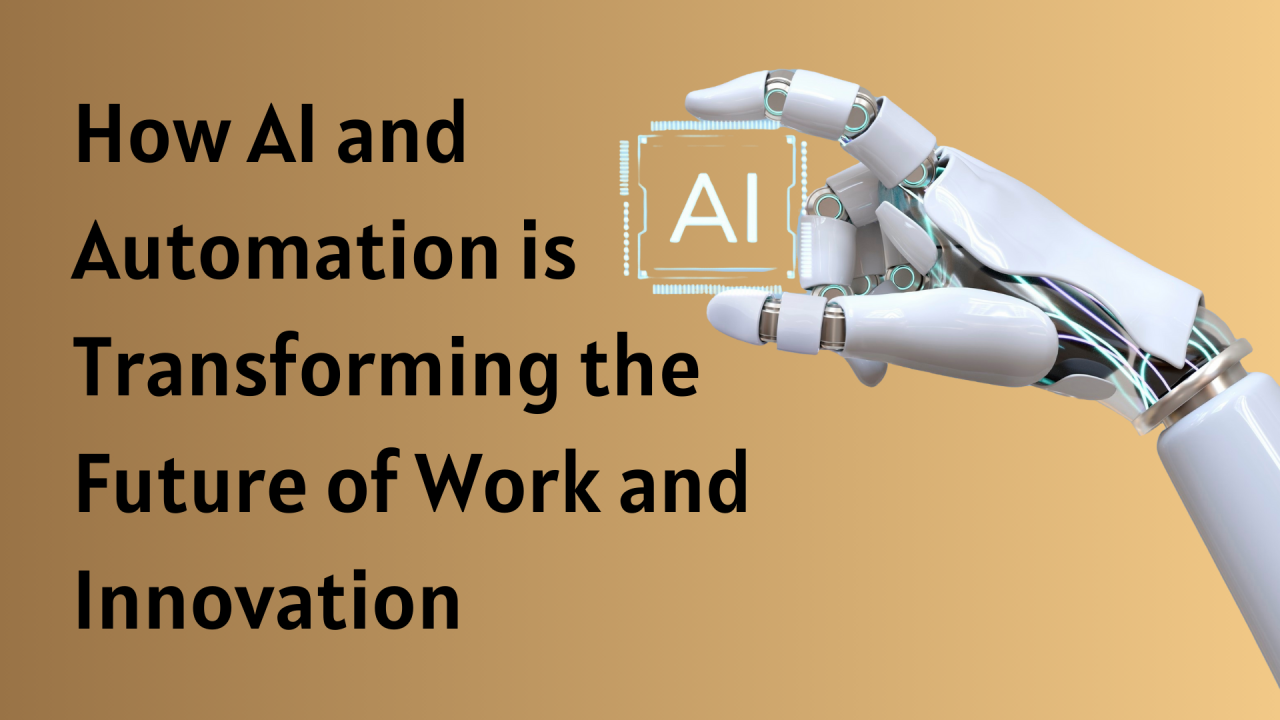

The world of artificial intelligence is evolving faster than ever before. From content creation to business automation, AI has already reshaped many industries — but we are still only scratching the surface of its potential. In this post, we’ll explore the most exciting AI Tools That Will Dominate 2026, why they’re important, and how they will change the way we work, create, and live.
Every year, breakthroughs in machine learning, natural language processing, computer vision, and predictive analytics bring new tools that empower users in remarkable ways. But as we look toward 2026, a new generation of AI solutions is set to rise above the rest — offering features we once only imagined in science fiction.
This article dives deep into AI Tools That Will Dominate 2026 — tools that aren’t just trends, but emerging leaders. Whether you’re a business owner, creative professional, developer, or student, this guide will give you a clear picture of where AI is headed.
Why AI Tools Matter More Than Ever
Before we list the tools themselves, it’s important to understand why AI tools are so transformative.
In the digital age, data is abundant but actionable insights are rare. AI tools help close that gap. They automate tedious tasks, enhance creativity, improve decision-making, and enable personalization at scale. From small businesses to global enterprises, AI technology is becoming essential.
The Rise of AI in Everyday Life
AI is no longer confined to labs or tech giants. Today’s AI tools serve millions of users in:
- Education: Personalized learning platforms that adapt to individual strengths and weaknesses.
- Healthcare: Predictive diagnostics and patient care optimization.
- Customer Support: Chatbots and virtual assistants reducing wait times and increasing satisfaction.
- Marketing: AI‑generated content, audience analysis, and automated campaigns.
- Software Development: Smart coding assistants that boost productivity.
As we approach 2026, advancements in AI are expected to accelerate even more rapidly. The next wave of tools will be smarter, faster, and deeply integrated into the digital ecosystem — redefining what’s possible.
Top AI Tools That Will Dominate 2026
Here’s a curated list of the most promising AI Tools That Will Dominate 2026. These tools were selected based on technological innovation, user adoption trends, and their potential to disrupt industries.
🧠 1. GPT‑Powered Platforms — The New Standard for Language AI
AI language models like GPT have already made waves in content creation. By 2026, next‑generation GPT platforms are expected to be even more powerful, with enhanced reasoning, real‑time learning, and smoother conversational abilities.
These tools will dominate not just writing and chat, but entire workflows — from research synthesis to multilingual translation with cultural understanding.
Why They’ll Dominate:
- Contextual understanding at near‑human levels
- Real‑time collaboration capabilities
- Integration into messaging, customer support, and content workflows
📊 2. Predictive Analytics Suites for Business Intelligence
Predictive analytics tools use historical data to forecast future trends — empowering businesses to make informed decisions. In 2026, AI‑enhanced analytics platforms will be able to forecast customer behavior, financial outcomes, and supply chain disruptions with remarkable accuracy.
Key industries that will benefit:
- Finance
- Retail
- Logistics
- Healthcare
With smarter algorithms and seamless integration into enterprise tech stacks, these AI tools are set to dominate the business world.
✍️ 3. Creative AI Generators — Beyond Text
Creative AI tools are more than just writing assistants. Future generations will produce:
- Hyper‑realistic images
- Audio and music compositions
- Video content based on simple prompts
- Interactive digital experiences
Artists, marketers, and content creators will lean on these tools to push creative boundaries.
Examples:
- Visual storytelling tools
- AI music composers
- Script‑to‑video generators
These platforms don’t replace human creativity — they supercharge it. Hence, they are among the AI Tools That Will Dominate 2026.
💼 4. AI‑Driven Automation Platforms
Automating tasks used to require specialized programming. But 2026 will see a new era where AI handles automation through natural language commands.
Imagine saying:
“Create a workflow that routes new client inquiries to the support team and updates the CRM.”
And the AI builds it — instantly.
These AI automation tools will redefine workflow efficiency for teams of all sizes.
🧪 5. AI for Scientific Discovery
One of the most profound impacts of AI in the next decade will be in research and discovery. AI tools capable of analyzing massive datasets will accelerate breakthroughs in:
- Medicine
- Climate science
- Materials engineering
- Energy research
From discovering new drugs to optimizing renewable energy systems, these tools won’t just change industries — they will save lives and protect the planet.
📚 6. Next‑Gen Learning Platforms
AI‑powered education platforms that adapt to students’ unique abilities will redefine how we learn. These tools will:
- Provide personalized lesson plans
- Adjust difficulty levels in real time
- Use adaptive testing to measure progress
- Offer insights to educators and parents
By 2026, personalized learning AI tools will be a cornerstone of modern education systems worldwide.
🤖 7. AI Assistants for Everyday Tasks
Voice and text assistants are about to get significantly better. Future AI assistants will:
- Understand context over long conversations
- Execute complex multi‑step tasks
- Coordinate across apps and platforms
- Learn user preferences over time
With these abilities, AI assistants will become invaluable digital partners, almost like human personal assistants — just smarter.
How These AI Tools Will Shape the Future
Understanding the AI Tools That Will Dominate 2026 means recognizing the trends they represent. These tools don’t exist in isolation — each one contributes to broader shifts in how we work, communicate, and solve problems.
📈 1. Increased Productivity Across Industries
AI tools that automate tasks and provide insights will give teams greater capacity to focus on high‑value work. From customer service to engineering, repetitive tasks will be handled by intelligent systems — increasing productivity and job satisfaction.
🔄 2. Human‑AI Collaboration Becomes the Norm
As AI tools improve, the relationship between humans and machines will evolve too. Instead of worrying about AI replacing jobs, many experts predict that AI will augment human skills — empowering people to achieve more than ever before.
💬 3. Smarter Communication and Creativity
Language, visual art, and multimedia creation will be transformed. AI tools will help people express ideas faster, more clearly, and with more impact. Whether you’re writing a story, designing a brand identity, or composing music — AI will be a creative partner.
🌍 4. Global Accessibility and Inclusivity
AI tools will eliminate traditional barriers:
- Language translation will be instantaneous and culturally aware
- Education will be accessible to learners everywhere
- Healthcare diagnostics will reach underserved communities
This shift toward inclusivity will ensure AI benefits are shared across the globe.
Challenges Ahead for AI Adoption
While the future looks promising, widespread adoption of the top AI Tools That Will Dominate 2026 doesn’t come without challenges:
⚖️ 1. Ethical Concerns
AI accuracy, bias, and transparency are critical areas of concern. Developers and regulators must ensure that tools are safe, fair, and unbiased.
🔒 2. Data Privacy
AI systems rely heavily on data. Protecting user privacy while improving AI performance will require strong policies and secure infrastructure.
⏱️ 3. Integration Complexity
For many organizations, integrating AI isn’t plug‑and‑play. Legacy systems, budget constraints, and technical expertise can slow adoption.
Despite these challenges, the overall trajectory of AI is overwhelmingly positive — and innovators around the world are already building solutions.
How to Prepare for the AI‑Driven Future
As we look toward 2026, whether you’re an entrepreneur, developer, student, or everyday tech user, it’s wise to prepare ahead. Here are actionable steps to stay ahead of the curve.
🧠 Stay Informed
Follow AI news, attend conferences, and read insights from tech leaders. An informed perspective helps you identify trends and opportunities early.
🎓 Learn New Skills
AI is not just for coders anymore. Tools are becoming more accessible, but understanding foundational concepts — like machine learning, data ethics, and automation — will give you an edge.
💼 Experiment With AI Tools
Many AI tools offer free tiers. Start experimenting:
- Create AI‑generated content
- Build automation workflows
- Try predictive analytics
- Use AI for data visualization
Hands‑on experience is one of the best ways to learn.
🤝 Collaborate With Experts
If you’re building an AI‑driven product or service, consider partnerships with AI developers or consultancies. Collaboration accelerates innovation.
What Businesses Should Expect in 2026
By 2026, businesses that adopt the right AI tools early will enjoy significant advantages:
🚀 1. Better Customer Experiences
AI will enable hyper‑personalized interactions — anticipating customer needs and delivering tailored solutions.
💡 2. Smarter Decision‑Making
Data‑driven predictions will allow companies to act faster and make more confident decisions.
💸 3. Reduced Operational Costs
Automation and intelligent optimization will streamline processes, eliminate redundancies, and reduce overhead.
📊 4. New Revenue Streams
AI will unlock new products, services, and markets. Companies that innovate with AI will set themselves apart from competitors.
Closing Thoughts: The AI Revolution Continues
The landscape of AI is more dynamic and exciting than ever. The tools discussed here — the AI Tools That Will Dominate 2026 — represent just a few of the innovations reshaping how we live and work.
One thing is certain: AI is no longer a futuristic concept. It’s here. It’s evolving. And in 2026, it will be more powerful, accessible, and impactful than ever before.
Whether you’re a tech professional, business leader, or curious reader — embracing these tools early could be one of the most important decisions you make this decade.